
- Call Us: +20 155 691 9966
- Email:info@alfolk.net
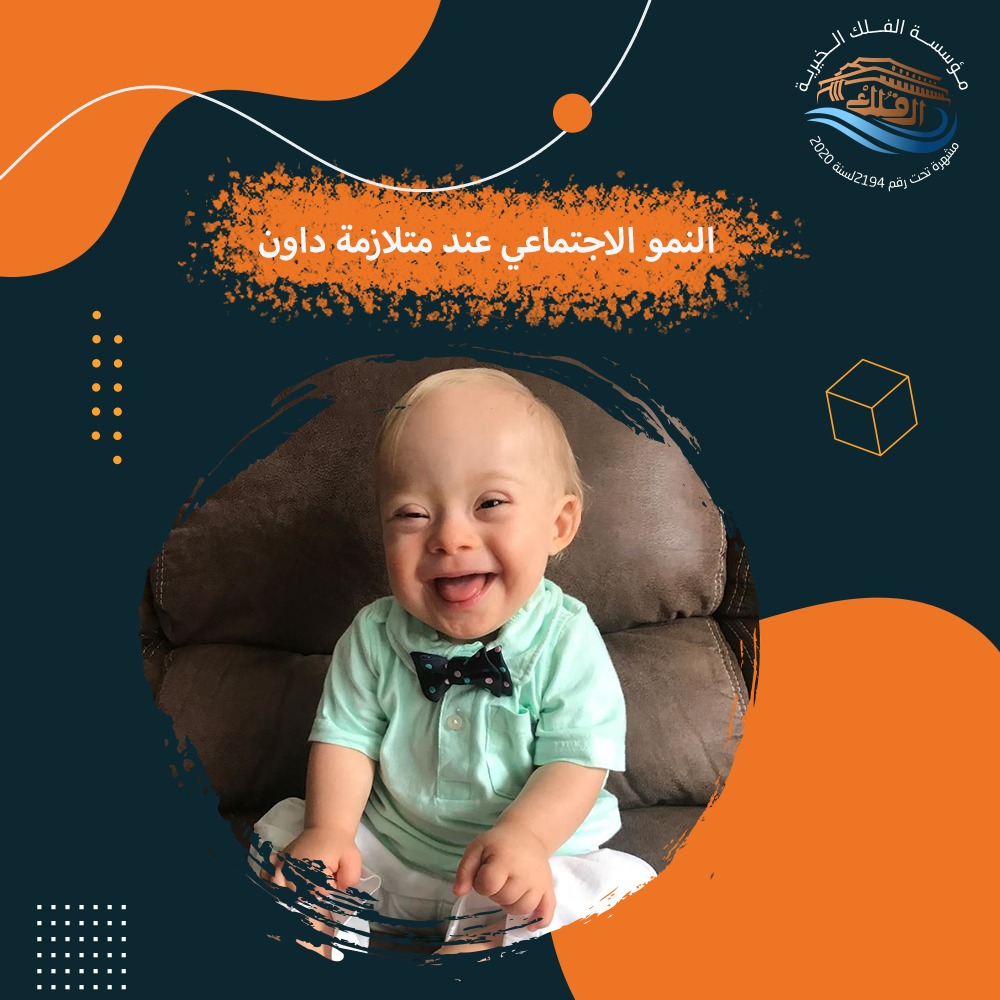
It means the social skills with which a person interacts with others, most important of which are:
Social understanding and empathy, friendship, playing and leisure skills, social and personal dependence, and appropriate social behavior.
Educational research on children with Down syndrome revealed that:
• They have the skills of social understanding, empathy and social interaction in a way that allows them to develop and acquire more skills during life in a way that facilitates their integration into society and thus provides them with a better life.
• Most children with Down syndrome have an appropriate social age, but some of them may behave badly in a way that pressures the family and affects educational and social integration.
Positive and safe friendship with others has an important role in improving their quality of life. Therefore, parents and teachers should provide a healthy environment that helps them be socially independent, as well as treating cognitive delays, and developing communication skills in a way that facilitates development of their ability to form good friendships during childhood and adolescence with their peers and with others who are not disabled due to their need to develop playing skills, independence and recreational skills.
Social development increases a child’s social ability, friendships and self-care, and affects all aspects of daily life. In fact, trust and social competence outweigh the importance of academic skills in terms of work, making friends and independence in society as an adult.
Social development requires social interaction with others, so understanding behaviors, emotions and feelings of others is essential to the success of social relationships and effective communication with others.
It has been proven that social understanding in children with Down syndrome is usually strong at the beginning of childhood even with their inability to understand the spoken language in social situations because it depends on body language and the main messages directed to them through feelings, because many of the gestures through which the individual expresses his feelings are non-verbal (tone of voice, facial expressions and body language).
This highlights the importance of good social skills; empathy and social competence available in most children and adolescents with Down syndrome provides them with better social understanding and practice of social behavior compared to other children of the same levels of cognitive and communication delays, and thus this helps them be successful in community activities and educational integration.
Even a good social understanding of other people’s behavior may cause children with Down syndrome to consciously engage in unwanted behavior when they want to, and they know exactly how to produce the reactions they want.
Noting that children with Down syndrome have different social skills, communicative abilities and understanding, in addition to the fact that their social development – like other children – is affected by family, school and community experiences, and the way others deal with them.
A child’s behavior is often affected and constantly changing in the environment in which he feels safe and understands what is expected of him, compared to the behavior of other children when they feel negative emotions, or when they are unable to explain a problem they encountered.
A small number of children with Down syndrome have other conditions such as neurodevelopmental disorders, including autism spectrum disorders, which lead to social difficulties, and do not show the good social understanding that children with Down syndrome usually show.
Among the most important factors affecting the social development of the child: Mood, personality, language and cognitive abilities, family environment, expectations, autism, hyperactivity, some disorders.
This is what we will discuss in the following articles.
Leave Your Comments
يقصد به المهارات الاجتماعية التي يتفاعل بها الشخص مع آخرين وأهمها:
الفهم والتعاطف الاجتماعي، تكوين الصداقات، مهارات اللعب مع آخرين وقضاء وقت الفراغ، الاعتماد الاجتماعي والشخصي، والسلوك الاجتماعي المناسب.
وكشفت الأبحاث التربوية على أطفال متلازمة داون أن:
• مهارات التفهم الاجتماعي والتعاطف والتفاعل الاجتماعي تتوافر لديهم بقدر مناسب يسمح بتنميتها واكتساب المزيد منها أثناء الحياة بشكل يسهل دمجهم في المجتمع وبالتالي توفير فرصة حياة أفضل لهم.
• معظم الأطفال من متلازمة داون لديهم عمر اجتماعي مناسب، لكن بعضهم قد يسلك سلوكيات صعبة تسبب للأسرة الضغط وتؤثر على الدمج التعليمي والاجتماعي.
وللصداقة الإيجابية والآمنة مع الآخرين دور هام في تحسين نوعية حياتهم لذا على الآباء والمعلمين توفير بيئة صحية تساعدهم على الاستقلال الاجتماعي، وعلاج التأخر المعرفي، وتنمية مهارات التخاطب بما يسهل تنمية قدرتهم على تكوين صداقات جيدة مبكراً خلال فترتي الطفولة والمراهقة مع أقرانهم ومع غيرهم من غير المعاقين، نظراً لحاجتهم إلى تطوير مهارات اللعب، المهارات الاستقلالية والترفيهية.
النمو الاجتماعي يزيد القدرة الاجتماعية للطفل وتكوينه للصداقات والعناية بذاته، و يؤثر على كل جوانب الحياة اليومية، بل إن الثقة والكفاءة الاجتماعية تفوق أهمية المهارات الأكاديمية من حيث العمل، تكوين الأصدقاء والاستقلال في المجتمع كراشد.
التطور الاجتماعي يحتاج التفاعل الاجتماعي مع آخرين، لذا ففهم سلوك، وانفعالات ومشاعر الآخرين أمر أساسي في نجاح العلاقات الاجتماعية و التواصل بفعالية مع الآخرين .
ثبت أن الفهم الاجتماعي عند أطفال متلازمة داون عادة يكون قوياً في بداية الطفولة حتى مع عدم قدرته على فهم اللغة المنطوقة في المواقف الاجتماعية لكونه يعتمد علي لغة الجسد والرسائل الرئيسية الموجهة له عبر المشاعر ، لأن كثير من الإيماءات التي يعبر بها الفرد عن مشاعره تكون غير لفظية( نغمة الصوت، تعبيرات الوجه ولغة الجسد)
وهذا يبرز أهمية المهارات الاجتماعية الجيدة، فالتعاطف والكفاءة الاجتماعية المتوفرة عند أغلب الأطفال والمراهقين من متلازمة داون، تمكنهم من الفهم الاجتماعي الأفضل، وممارسة السلوك الاجتماعي بالمقارنة مع الأطفال الآخرين من نفس مستويات التأخر المعرفي والتواصلي، وبالتالي فهذا يساعدهم على أن يكونوا ناجحين في الأنشطة المجتمعية، وفي الدمج التربوي،
بل إن الفهم الاجتماعي الجيد لسلوك الآخرين قد يدفع أطفال متلازمة داون أن يسلكوا سلوكاً غير مرغوب فيه وعن وعي عندما يرغبون بذلك، ويعرفون تماماً كيف يصدرون ردود الفعل التي يريدونها.
مع لفت النظر إلي أن أطفال متلازمة داون يختلفون فيما بينهم في المهارات الاجتماعية، والقدرات التواصلية والفهم، إضافة إلى أن نموهم الاجتماعي كغيرهم من الأطفال الآخرين يتأثر بالخبرات الأسرية، المدرسية والمجتمعية، وبطريقة تعامل الآخرون معهم.
إن سلوك الطفل غالباً ما يتأثر ويتغير بشكل مستمر في البيئة التي يشعر فيها بالأمان ويفهم ما هو المتوقع منه، بالمقارنة مع سلوك الأطفال الآخرين عندما يستشعرون الانفعالات السلبية، أو عندما لا يتمكنون من شرح مشكلة ما واجهتهم.
هناك عدد قليل من الأطفال ذوي متلازمة داون لديهم ظروف أخرى كالاضطرابات النمائية العصبية، بما فيها اضطرابات طيف التوحد، مما يشكل مصاعب اجتماعية، ولا يظهرون الفهم الاجتماعي الجيد الذي يظهره عادة الأطفال من متلازمة داون.
و من أهم الأمور المؤثرة في النمو الاجتماعي للطفل:
المزاج والشخصية , اللغة والقدرات المعرفية ,البيئة الأسرية, التوقعات , التوحد، فرط الحركة ، بعض الاضطرابات .
وهو ما سوف نتناوله في المقالات التالية .
Leave Your Comments
All rights reserved to Al-Folk Charitable Foundation © 2021